
By Catarina Ferreira, AIA
When people ask me what style of architecture I practice, I never quite know how to answer. Not because architecture has no visual identity, but because I don't believe style should be where architecture begins. The more fundamental question is whether architecture is primarily about image or about shaping experience.
I grew up in Portugal, surrounded by a vernacular architecture that was inherently minimalist: stone or tile floors, white walls, utilitarian service spaces, bright light washing across surfaces, views of hillsides and ocean. I learned from that the beauty of simplicity and the emphasis on purpose instead of artifice. I remember stepping into the thickness of a stone wall to look out at the sea, or walking barefoot on cool basalt floors. I had not yet seen a truly modern building, but I already understood what architecture could do. The experience of looking at the sea from deep within my bedroom wall brought me a thousand times more joy than fancy wallpaper ever could.
My childhood home once had a tower used for whale watching, back when whaling was a major industry in the Azores, where I grew up. I would have really, really enjoyed climbing up to the top if it had not collapsed before I was born. Knowing that tower had once existed taught me, at an early age, that architecture could be a mechanism for experiencing nature—for seeing a familiar landscape differently.
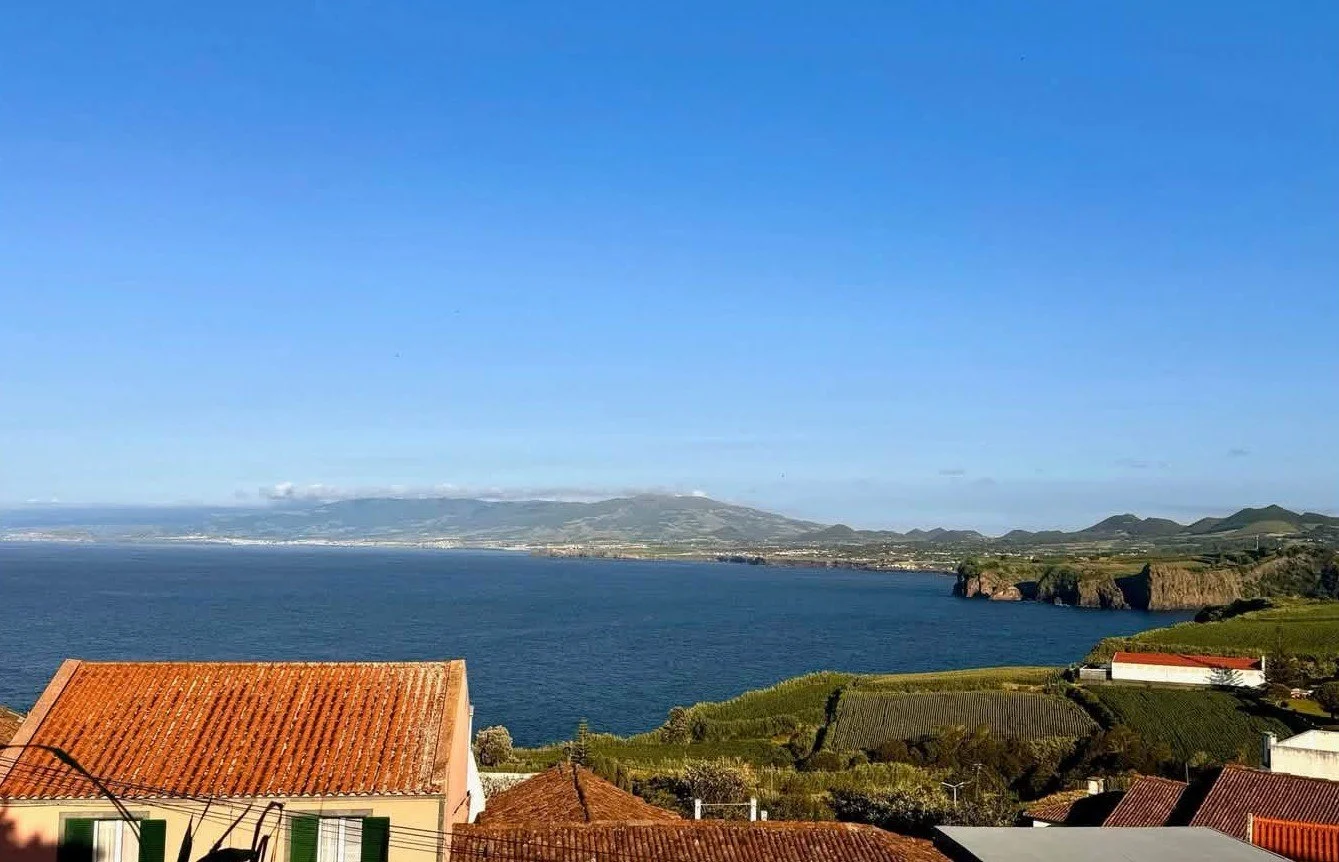
The view from my childhood bedroom window. Photo by Catarina Ferreira, AIA
Contemporary Portuguese architecture has a strong Modernist tradition and I was exposed to that growing up, as well as during my university studies. One of Modernism's core principles was a rejection of decoration for its own sake and of the stylistic preoccupations of the past. Modernism eventually developed a strong aesthetic identity of its own, but its underlying ideas are much bigger than its appearance. Reducing architecture to appearance leaves out much of what makes it powerful.
My childhood experiences and Modernist education reinforced each other, forming the basis of my convictions as an architect.
Why is there such a fixation with appearance/style in the US? Part of the answer is simple: style sells. Visual appeal sells. Celebrity sells. All of it is seductive—and remarkably easy to market.
The fixation on style fits comfortably within the consumer culture of contemporary America. The question isn't whether Victorian architecture is valid. Of course it is. The question is what it means to reproduce its language today...
This way of talking about architecture is especially common in residential design, and I understand the appeal. Style is easy to package, photograph, name and sell. Experience is harder to market. A room's relationship to morning light, the way a sequence of spaces unfolds, or the feeling of a cool stone floor underfoot doesn't fit neatly into a product category.
As a practicing architect in the DC metro area, I have more than once lost potential projects over questions of style compatibility. I am a Modernist at heart: whatever I do will belong to the present day. But contemporary architecture doesn't have to shout. It can be subtle, even almost invisible. In a traditional house, a contemporary intervention can augment the qualities already there rather than compete with them—improving how the building functions, how it feels and, ultimately, how beautiful it is. We have materials, technologies and ways of living available to us today that didn't exist a century ago. Architecture should be free to incorporate them.
I see this understanding of architecture as experience throughout contemporary Portuguese architecture, particularly in the work of Eduardo Souto de Moura. Some of his work falls into a category I think of as “Invisible Architecture”—architecture so lightly placed on its site that it almost disappears. The building becomes less an object than a way of capturing a series of experiences.
His House in Moledo is an example of this. In essence, it is little more than a roof connecting stone walls, with glass stretched between them. Built into a hillside, from a distance you can barely tell it's there. Inside, one side puts you literally against a stone wall; the other opens completely to the surrounding hills.
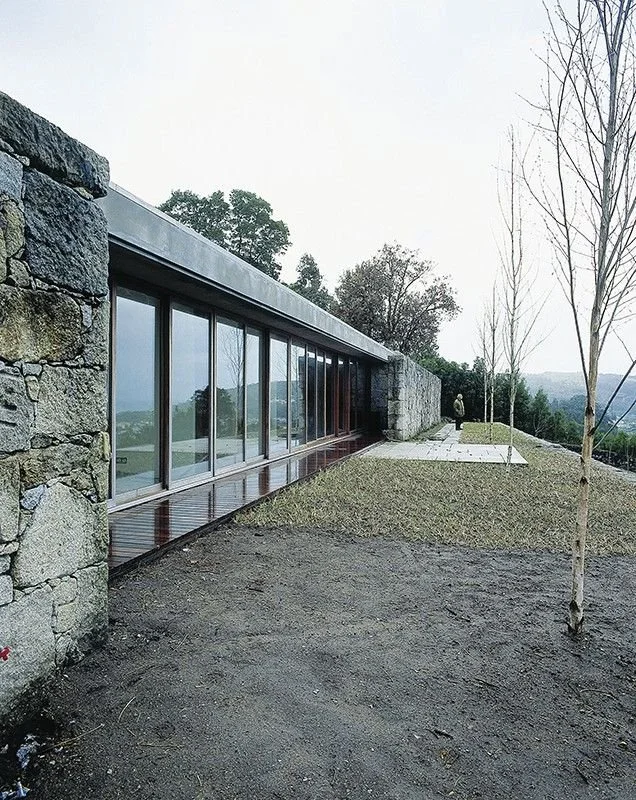
House in Moledo. Photo by Luis Ferreira Alves
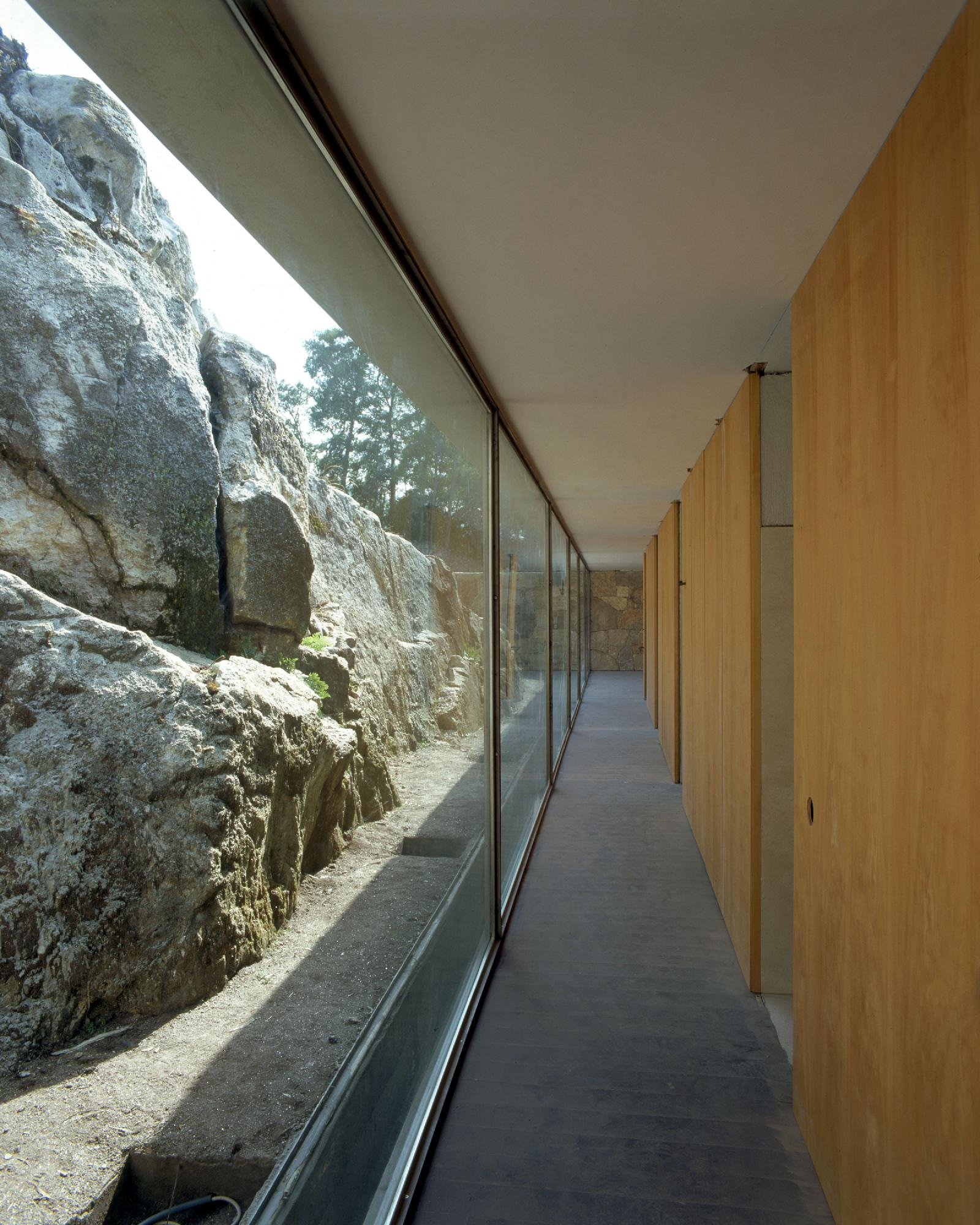
House in Moledo. Photo by Luis Ferreira Alves
That's it. It's a functioning house, but above all, it is a mechanism for experiencing the beauty of its site. It goes beyond “form follows function.” Here, form follows purpose and intent—an idea that guides my own work.
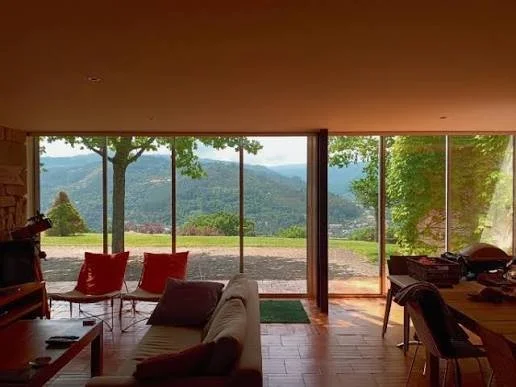
House in Moledo. Photo by Luis Ferreira Alves
In my own work, I try to prioritize what I believe is the fundamental source of architectural beauty: the experience of being in a place. If someone wants to paint a wall hot pink, or prefers a more or less traditional atmosphere, that's fine with me—as long as it doesn't compromise that experience. My residential work always reflects my clients' wishes, but I also try to give them more than they knew to ask for... not simply a house that is beautiful to look at and beautifully built, but one that changes the experience of everyday life.
So, does style matter? Of course it does—but perhaps much less than we think. Style is something we see. Architecture, at its best, is something we experience.